How the Thunder Bay Concert Pages Are Sourced, Dated and Corrected
The rules behind every show page: what counts as a source, how a date is fixed and what the site leaves out.

Every page in the archive answers to the same short list of rules. They exist so that a date, a price or a name found here can be trusted years after the night in question, and so that a reader can tell a stated fact from a reasonable guess.
What counts as a source
The starting point for each show is the material issued while it was on sale: the announcement, the ticket page and the bill. That gives the date, the room, the doors, the price and who was booked. It is the closest thing to a primary record that survives.
Everything else has to be checkable today. Facts about an act, such as where a band formed or which album was current, come from artist pages, label pages, encyclopedia entries and press coverage. Where two sources disagree, the page uses the vaguer claim both support, for example a month and year in place of a day.
How a date is fixed
Shows are dated by the night they took place. Old ticket pages often gave a weekday, a month and a day, but no year, so the year has to be worked out. The weekday does most of the work, because a given weekday and date fall together only in some years, and the ticket sequence narrows the rest.
When a year has been inferred, the page rests on the inferred date and says so where it matters. A post’s own publication date is a separate fact, and the site does not confuse the two: a show can be announced months before it happens.
What the pages leave out
The pages do not describe the night itself, because the record does not, and nobody can check it now. Set lists, crowd sizes, sold-out claims, quotations from the room and the mood of an audience are absent on purpose. If a page reasons from the calendar or the map, it labels that reasoning as a reading.
Ratings and rankings of shows are also absent. A record of what was announced cannot support a judgement of what happened, and a score would suggest otherwise.
Scope of the archive
The archive holds the shows for which a usable record survives: an announcement, a ticket page or a press notice. It is not a complete list of every concert in Thunder Bay and Northwestern Ontario between 2010 and 2019, and it does not claim to be. Some years are thinly covered because less was announced online, or because less of it can be recovered.
That limit matters when reading the charts. A bar for a given year counts the shows in the archive for that year. It does not measure how many concerts took place, and a lower bar can mean fewer surviving records as easily as fewer shows. The charts say so in their captions, and no page draws a trend from them that the counts cannot carry.
Prices, names, spelling and images
Prices are given as listed, in the currency shown, with service fees stated apart from the ticket price. Names follow the artist’s own usage, with the spelling on the original bill noted when it differs. Several acts appear under variant spellings across pages, and the archive keeps the spelling that matches the source for each page.
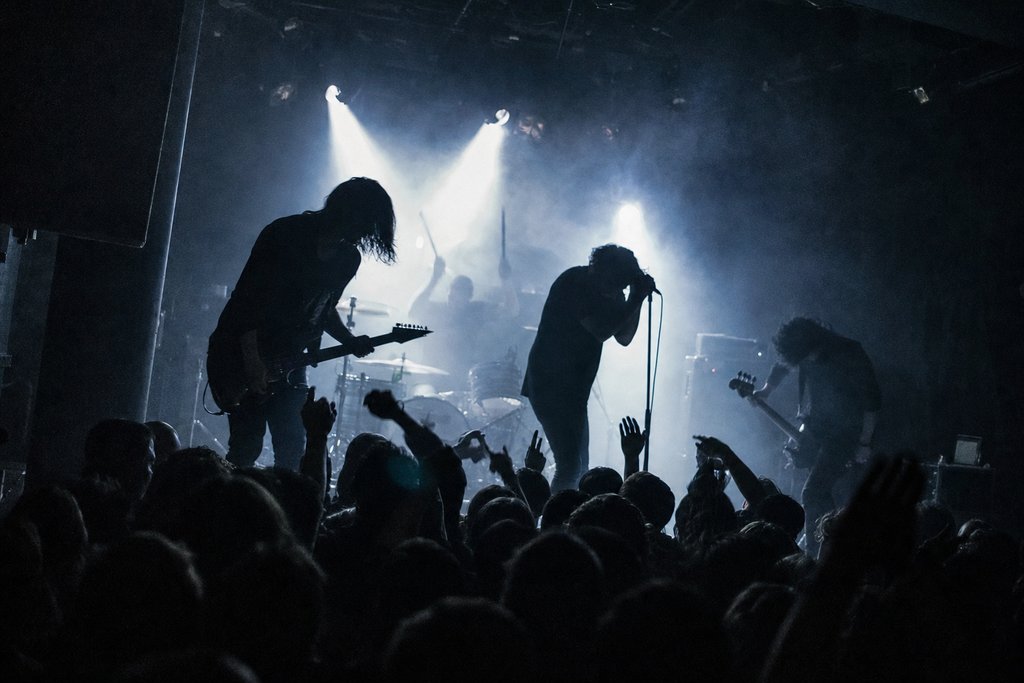
The illustrations on show pages are AI-generated line drawings. They show rooms, instruments and streets and never a real person or a recognisable performer. The photograph behind the pages is an AI-generated image and carries the AI label in the corner of the screen. No photograph of a real performer, and no image that could be mistaken for one, appears on the site.
Corrections
An error is corrected in place as soon as the right detail is confirmed. Corrections are made on the page and there is no separate log, so the page always shows the current confirmed version. Because facts here are checked against outside sources, a correction usually starts with a source that disagrees with the page, and ends with the page saying what that source says.
A disagreeing source, a wrong date or a missing detail can be sent to [email protected].
Frequently asked questions
What counts as a source for a show page?
The announcement and ticket details issued when the show was on sale, plus artist, label and press sources that can be checked today. A claim that rests on neither is left out.
How are dates fixed when a ticket page gives no year?
The year is worked out from the weekday, the ticket sequence and the surrounding calendar, then confirmed against a second source. The show page names the date it rests on.
Why do some pages say a detail is unknown?
Because the details issued at the time did not include it. A missing support act, set time or capacity is stated once at most, and never filled in from assumption.
Are the images on the site photographs?
The drawings on show pages are AI-generated illustrations and depict no real person. The photograph behind the pages is an AI-generated image and carries the AI label. No photograph of a real performer is used.
How are prices recorded?
As listed at the time, in the currency shown, with any service fee stated separately. Prices are never adjusted for inflation or converted.