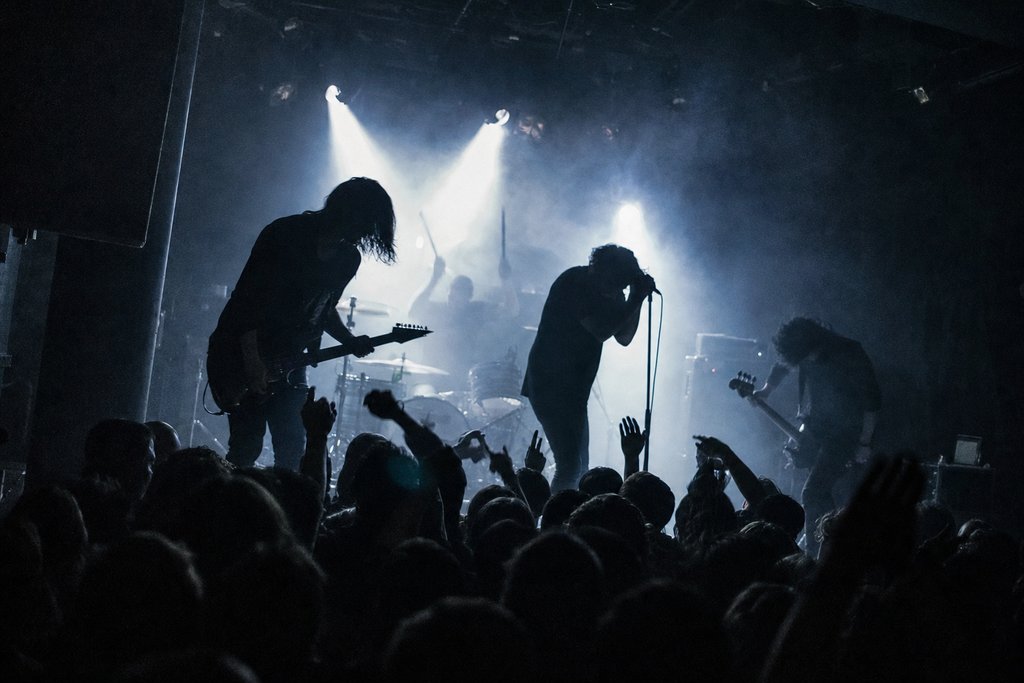
Downtown Thunder Bay's Entertainment District in July 2010
In July 2010 a few blocks of Port Arthur's old downtown were being sold to Thunder Bay as an entertainment district, and a two-for-one offer was the hook.
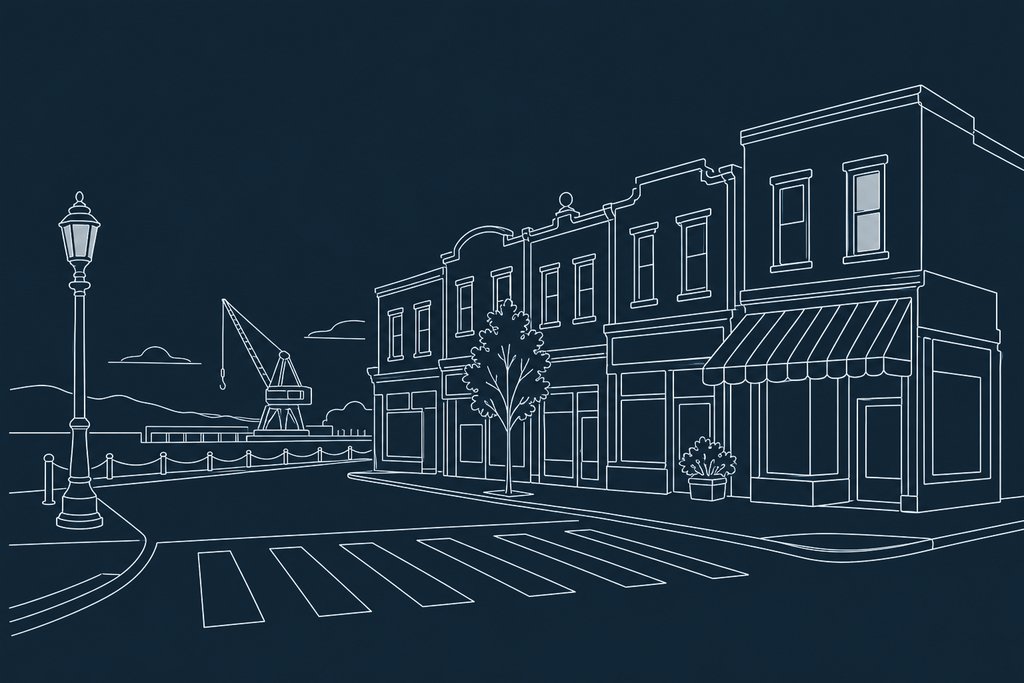
Red River Road cuts across the north side of downtown Thunder Bay, and the short streets it crosses, Court, Cumberland and St. Paul, are where the bars, restaurants and small stages have gathered. In July 2010 that stretch was being promoted as the downtown entertainment district. The post of 13 July said it was heating up, and its hook was a two-for-one offer.
Beyond the date and that headline, the terms of the offer are not established: which businesses joined, what the deal covered, how long it ran. What can be laid out is the ground it stood on, and that ground has a longer story than one summer promotion.
Port Arthur’s old downtown
The district sits in what was Port Arthur until 1 January 1970, when Port Arthur and Fort William amalgamated as Thunder Bay. Residents voted on the new name, and Thunder Bay beat Lakehead and The Lakehead by a narrow margin. The city that resulted, around 108,000 people on the shore of Lake Superior, kept two downtowns.
Fort William’s downtown once held nightclubs, shops and movie theatres and is far quieter now, according to one local history piece. Port Arthur’s core is the side that a tourism guide today calls the north side Waterfront District and describes as the city’s entertainment district. The label is old enough to carry a headline in 2010.
The water and the street grid
The city’s waterfront work started well before any promotion. The Thunder Bay Waterfront Project began in 1967 out of the Port Arthur Downtown Urban Renewal Scheme, with money for landscaping and shore protection along the harbour. A Waterfront Park Study Plan followed in July 1975. Those dates put public money on this shoreline more than three decades before the two-for-one days.
Today the same blocks make up a business improvement area, the Waterfront District BIA, with more than a hundred businesses sorted into shop, eat, play and stay. A tourism guide lists The Madhouse, The Foundry, Crocks, Tony & Adams and El Tres among the bars and restaurants there. None of that is a description of 2010.
A room already on the street
Crocks belongs to this story because of where it stood. Northern Ontario Travel places it in the heart of the entertainment district, and says it was there long before the district had that name. Two brothers started it in an original building on Cumberland Street, which had begun as a family restaurant by day.
Its name reached well beyond the city. The same profile credits the club, and Thunder Bay, as an inspiration for Bruce McDonald’s films Highway 61 in 1991 and Hard Core Logo in 1996, and lists Dave Bidini’s On a Cold Road among the books that mention it.
Cumberland Street in 2010
In March 2010 Loffredo & Associates announced that The Office at 16 Cumberland Street South would become the future home of Crocks. So the district’s live-music room was settling into a Cumberland Street address less than four months before the two-for-one days were promoted.
The address held for years. When Crocks moved in October 2018, CBC News reported, it went to the NV Nightclub building at 228 Red River Road, the district’s main road. Shows from both addresses are listed on the shows page, and the rooms index separates the two.
Why July
A downtown promotion in July needs little explanation. Thunder Bay is far enough north that the evenings stay light late in summer, and a discount aimed at people already out is a natural fit. That is a reading from the calendar and geography, not a reason the post gives.
The post went up on Tuesday 13 July 2010, early in a week that ended with a summer weekend. Short as that is, it is the whole of what can be said about the timing, and the rest of the record is the street itself.
Cumberland Street has been slated for another round of rebuilding in recent years, with wider sidewalks and better lighting planned for Red River Road, Cumberland Street and the streets around them. Whatever the two-for-one days offered, they were offered on a street that has changed since.
Frequently asked questions
What was Thunder Bay's downtown entertainment district?
It was the north-side downtown area, the former Port Arthur core, where Red River Road crosses streets such as Court, Cumberland and St. Paul. Bars, restaurants and live music rooms cluster there, and it is now grouped as the Waterfront District.
What were the two-for-one days in July 2010?
A post dated 13 July 2010 said the entertainment district was heating up with two-for-one days. Which businesses took part, what the offer covered and how long it ran are not stated, so this page does not guess.
Was Crocks part of the entertainment district?
Crocks stood at 16 Cumberland Street South, on one of the streets in the district. Northern Ontario Travel describes it as sitting in the Waterfront Entertainment District, since long before the district had that name.
When did Port Arthur become part of Thunder Bay?
Port Arthur and Fort William amalgamated on 1 January 1970 to form the city of Thunder Bay. Residents voted on the new name, choosing Thunder Bay over Lakehead and The Lakehead by a narrow margin.